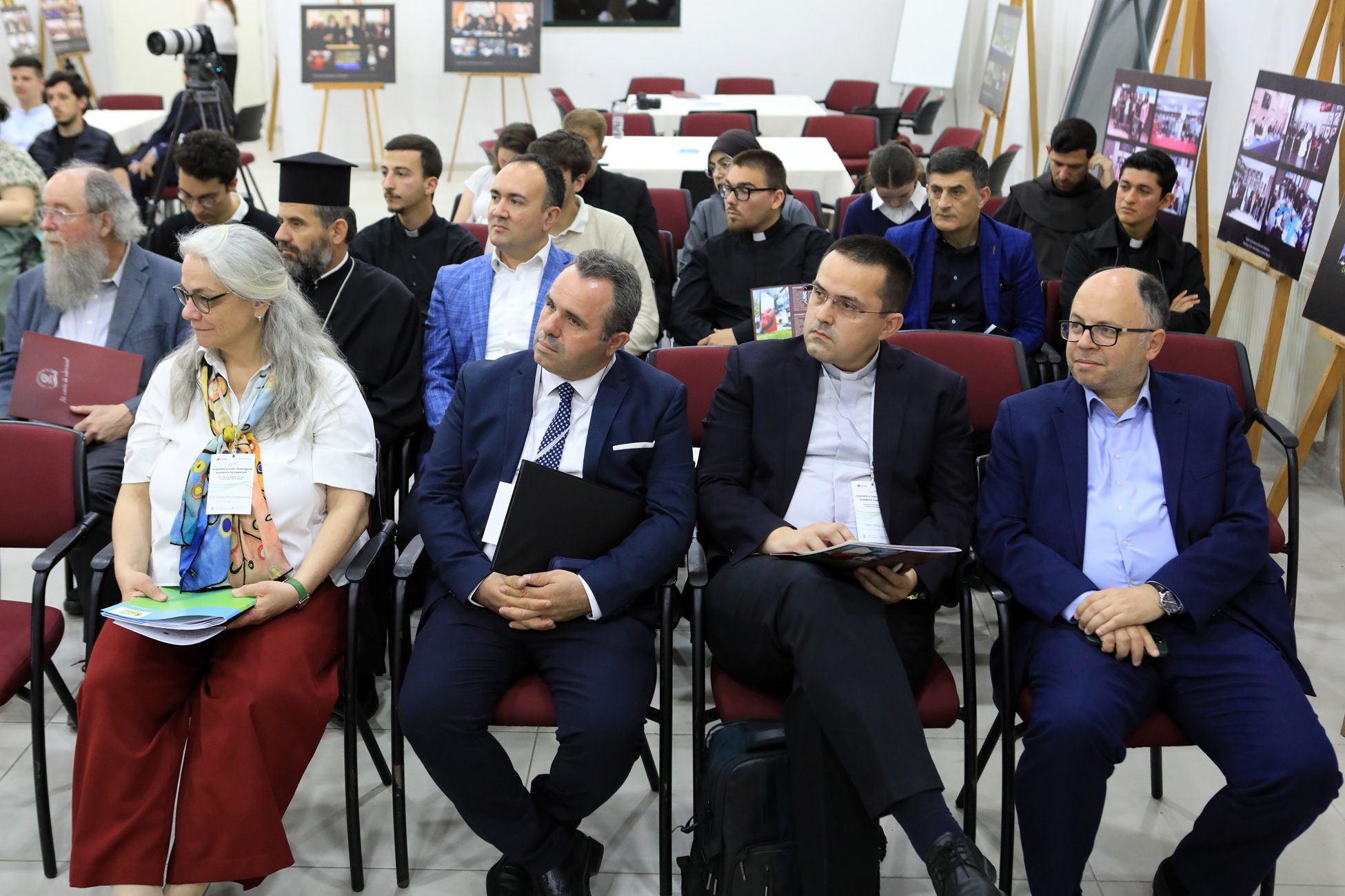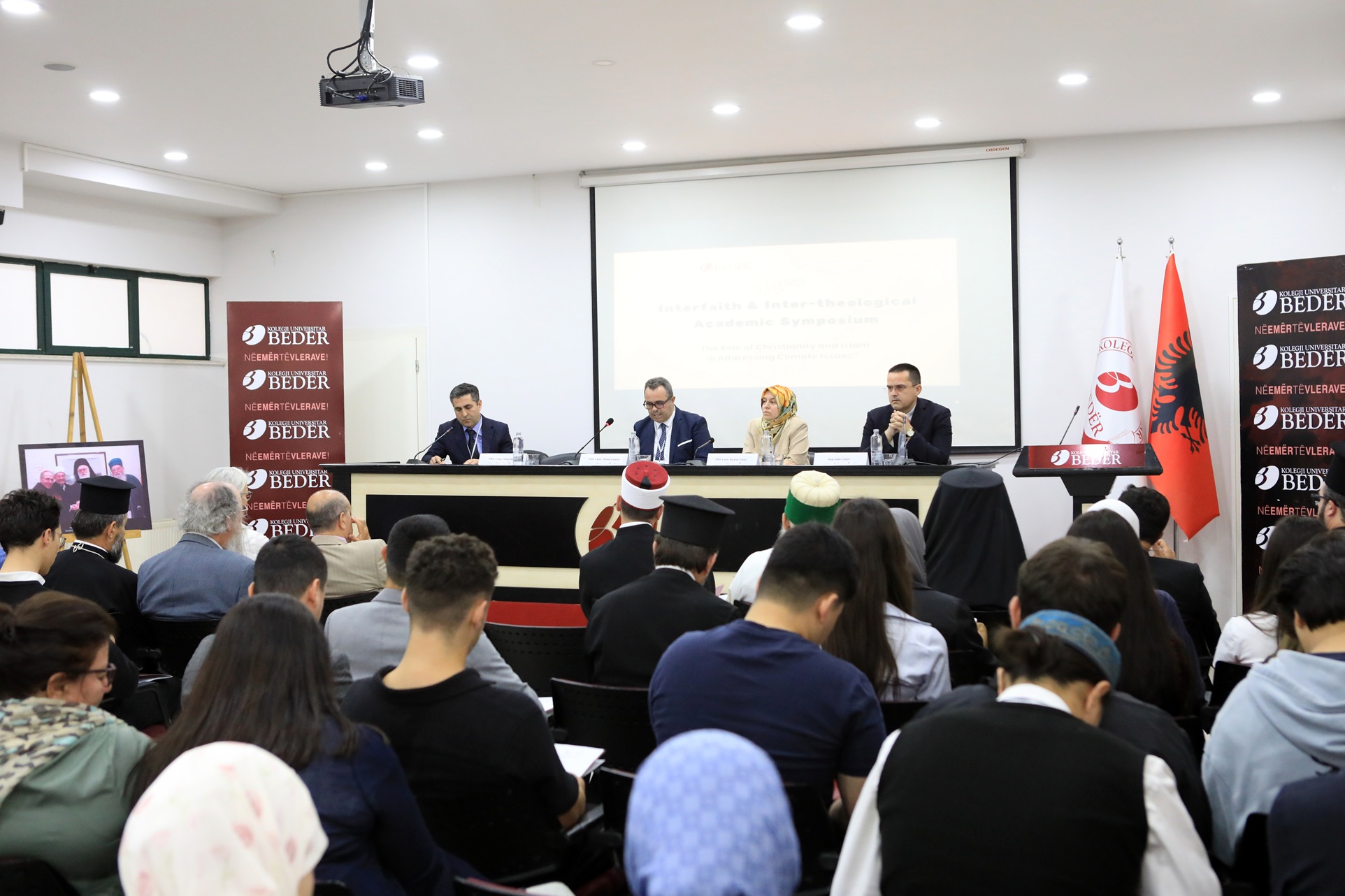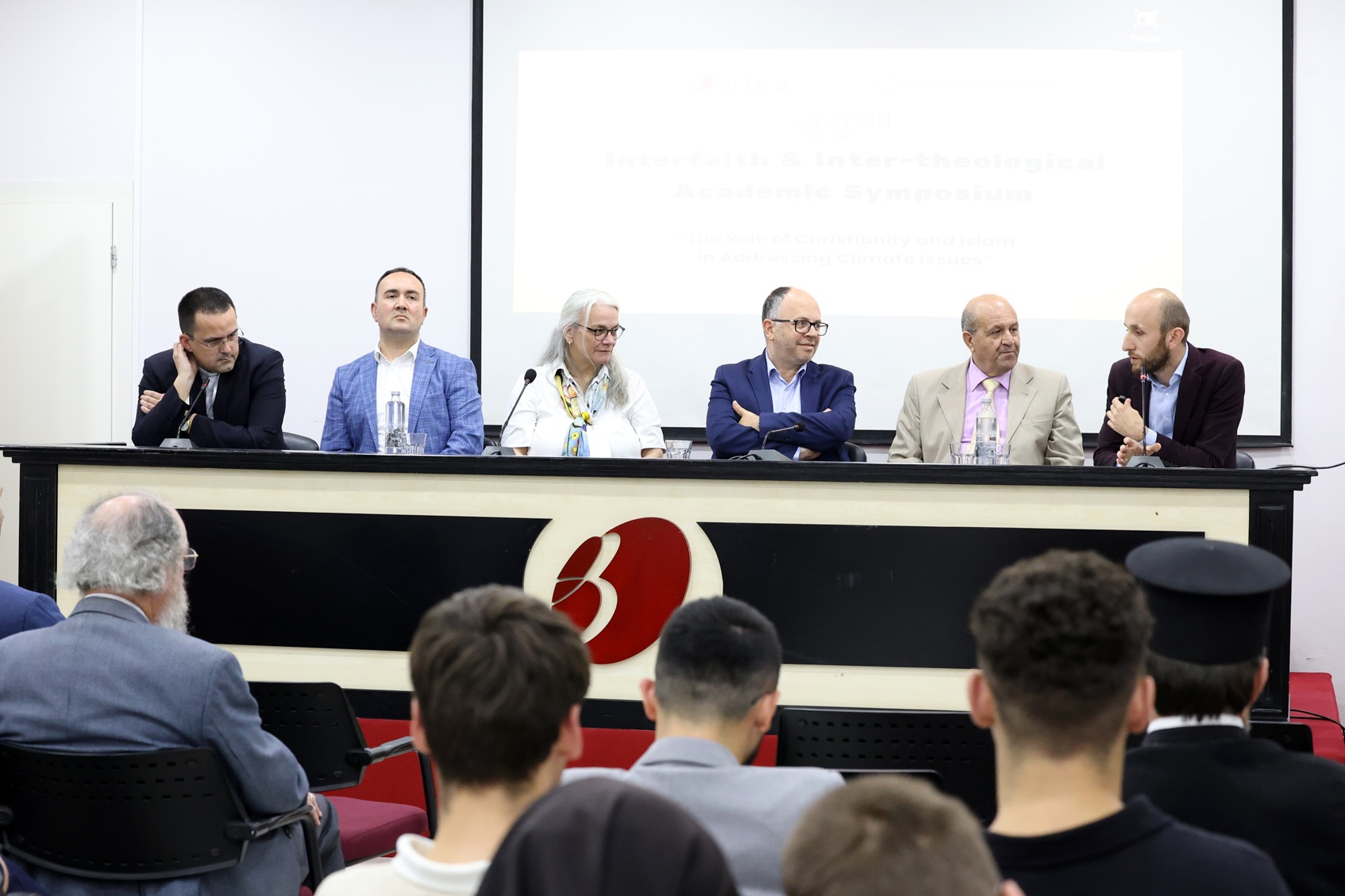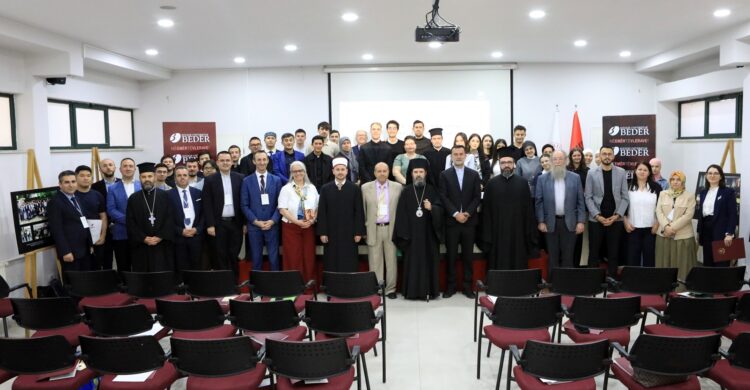
TIRANA, April 29, 2026 – The 14th Interfaith and Inter-Theological Academic Symposium on the theme “The Role of Christianity and Islam in Addressing Climate Issues” was held at Bedër University College, bringing together leaders of religious communities, academics, researchers, and students of Islamic and Christian theology on a common platform of dialogue and reflection on one of the most urgent challenges of our time.
This symposium, organized within the framework of the Erasmus+ project “Facing Global Challenges, Environmental and Peace Education in Interreligious Cooperation for Religious Teacher Training,” has already become a consolidated tradition of interinstitutional cooperation. It is organized by three academic theological institutions in Albania: the Department of Islamic Sciences at Bedër University College, the Department of Theology and Culture at Logos University College, as well as the Institute of Catholic Philosophy and Theology at the Interdiocesan Seminary. Following the first collaborations initiated more than two decades ago and the organization of the first symposium of this kind in 2015, this initiative has so far brought 14 successful editions dedicated to interreligious dialogue and issues of social importance.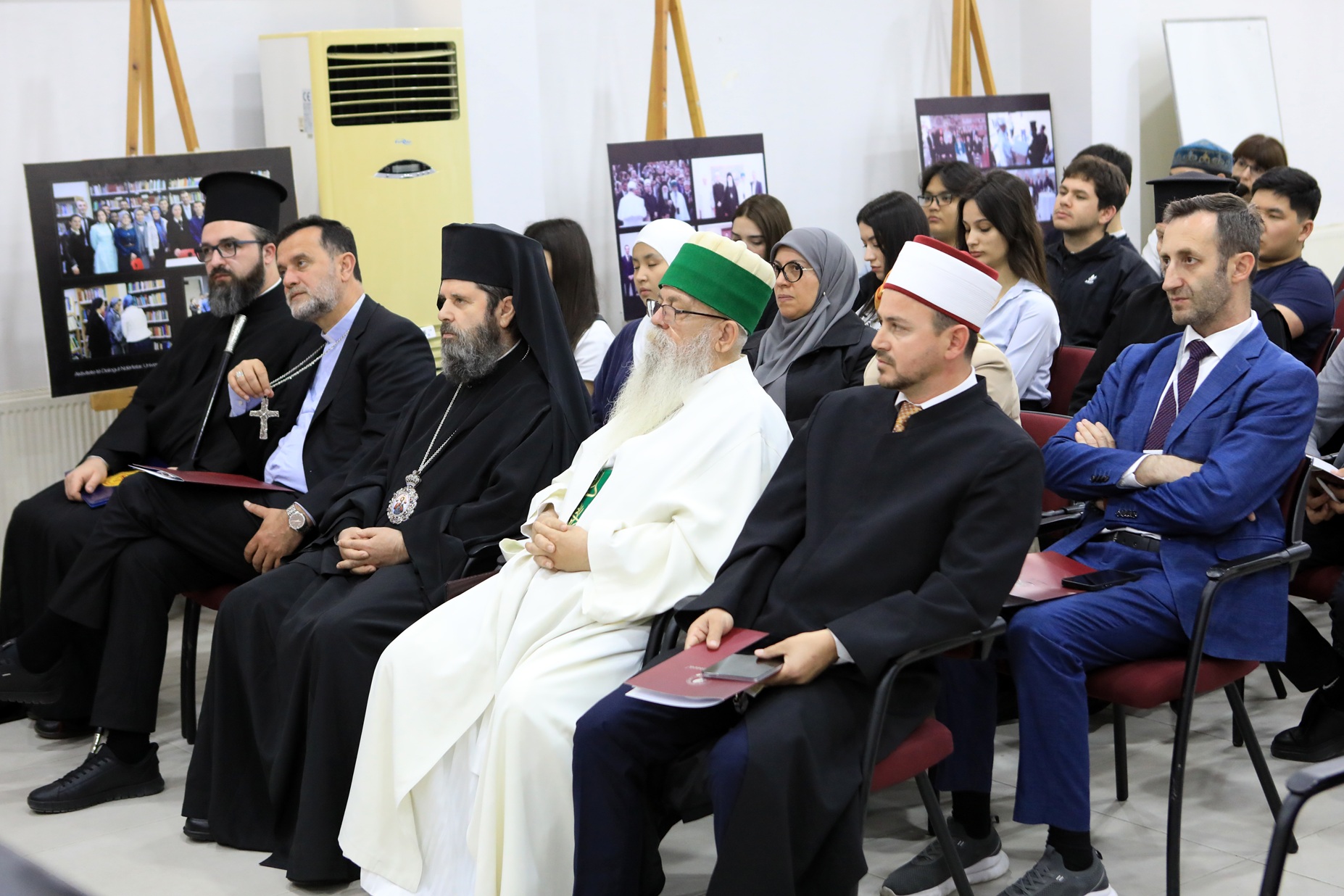
The opening ceremony was moderated by Ardita Reshiti and began with a documentary on academic cooperation over the years, produced with the support of the European Union’s GERIS program. Welcoming speeches were delivered by Prof. Dr. Gjergji Sinani, Mr. Taulant Bica, His Beatitude John, Mons. Gjergj Meta, H. Dede Edmond Brahimaj, as well as Assoc. Prof. Dr. Genti Kruja.
In their welcoming remarks, the religious and academic representatives emphasized that climate change constitutes not only an environmental challenge, but also a moral and human one, requiring common responses based on solidarity, responsibility, and respect for creation. It was underlined that religious traditions offer important values such as care, moderation, justice, and cooperation, which can contribute to building a more sustainable future.
 The Rector of Bedër University College, Prof. Sinani, emphasized the role of universities and academic and interreligious dialogue in addressing the climate crisis and global challenges. He stated that religion has an important role in raising human awareness beyond material interest and personal benefit, helping people reflect on responsibility toward the earth and creation. He underlined that humanity has damaged nature through the irresponsible use and abuse of God’s gifts. Ecological problems are connected with pollution, biodiversity loss, global inequalities, and the “globalization of indifference,” which is considered a danger to modern society.
He also emphasized the importance of cooperation between religion and science, ecological education, and the development of a spirituality that strengthens the connection between humanity and the environment.
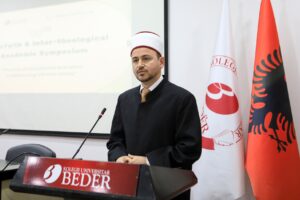 The Vice Chairman of the Muslim Community of Albania, Mr. Taulant Bica, in his welcoming remarks, underlined that climate change is already a reality that directly affects daily life, turning this challenge into a moral issue. Referring to the Islamic perspective, he emphasized that the relationship between human beings and nature is built upon responsibility. He also brought attention to the Qur’anic message that prohibits disrupting the balance of creation, as well as prophetic teachings that encourage self-restraint and ecological awareness in the use of natural resources.
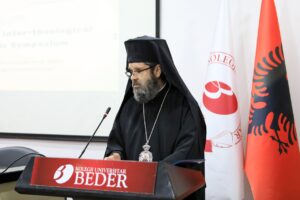 Archbishop John of the Autocephalous Orthodox Church of Albania emphasized the spiritual and moral responsibility of human beings toward nature and creation. He stated that the earth is not the property of humanity, but a gift from God, and therefore people are caretakers rather than owners of it. The ecological crisis and climate change are presented not only as technical or scientific problems, but also as consequences of humanity’s distancing from God and of human selfishness, while respect for nature has been part of faith and tradition for centuries. In conclusion, he called for a living ecological awareness and for a broader human love that extends not only to one’s neighbor, but to all humanity and creation.
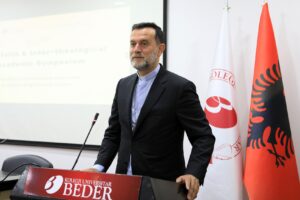 Monsignor Gjergj Meta, head of the Albanian Bishops’ Conference, emphasized the importance of interreligious dialogue in addressing climate issues, underlining that climate change is not only a scientific problem, but a challenge that requires interdisciplinary cooperation. Religions can offer their ethical and spiritual contribution by reflecting on what God asks from humanity in relation to nature and responsibility toward it.
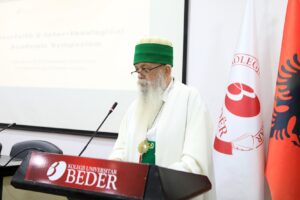
The Chairman of the Interreligious Council of Albania and at the same time the World Leader of the Bektashi Order, H. Dede Edmond Brahimaj, emphasized the importance of harmony between humanity and nature, considering environmental protection a moral and spiritual obligation. In a time of climate crisis, religions have the responsibility to play an active role in moral awareness and the protection of creation. Protecting the environment is a spiritual and moral obligation, and damaging nature is considered a violation of the divine trust.
This approach emphasizes that the relationship between human beings and nature is inseparable from spiritual and ethical development. Care for the earth, water, and every form of life is an expression of justice and devotion, while misuse and destruction contradict the fundamental principles of faith. In this sense, the education of believers and the raising of community awareness become essential for building a culture of responsibility and sustainability, where humanity lives in harmony with creation and contributes to the shared future of humankind.in e një kulture përgjegjësie dhe qëndrueshmërie, ku njeriu jeton në harmoni me krijimin dhe kontribuon për të ardhmen e përbashkët të njerëzimit.
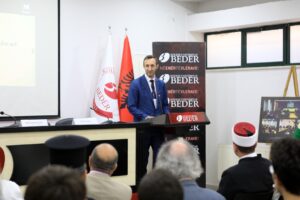 Meanwhile, Assoc. Prof. Dr. Genti Kruja, Director of the Research Center for Sustainable Development and Dialogue at Bedër University College and at the same time Secretary General of the Interreligious Council of Albania, emphasized that the XIV Interfaith Symposium demonstrates the continuity of dialogue and interinstitutional cooperation, placing at its center the role of Christianity and Islam in addressing climate challenges. He underlined that climate change is not only an environmental issue, but also a moral and spiritual one, where religions offer values of responsibility, care, and justice. He also emphasized the importance of the Albanian tradition of interreligious harmony and the need for concrete engagement in environmental protection.
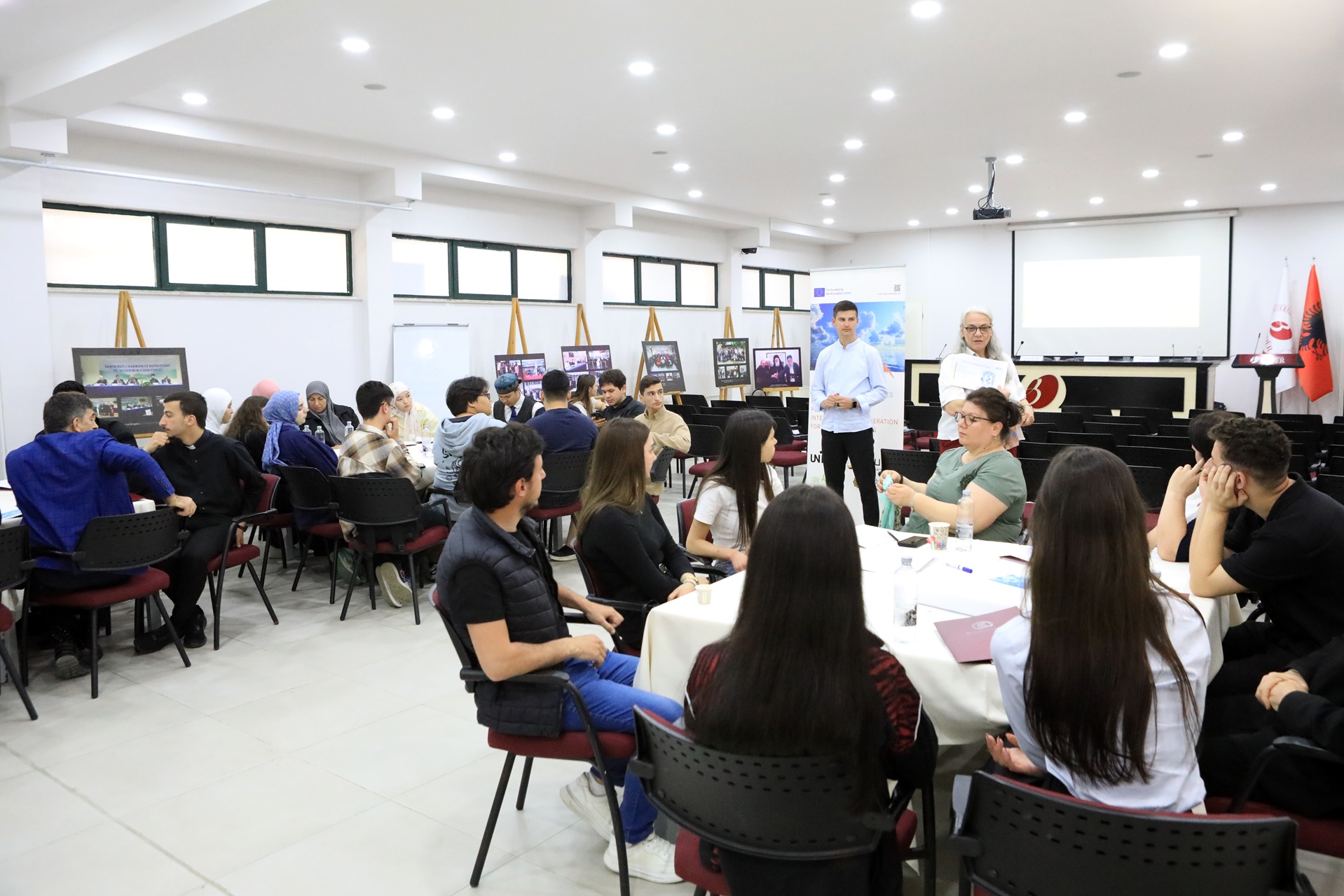
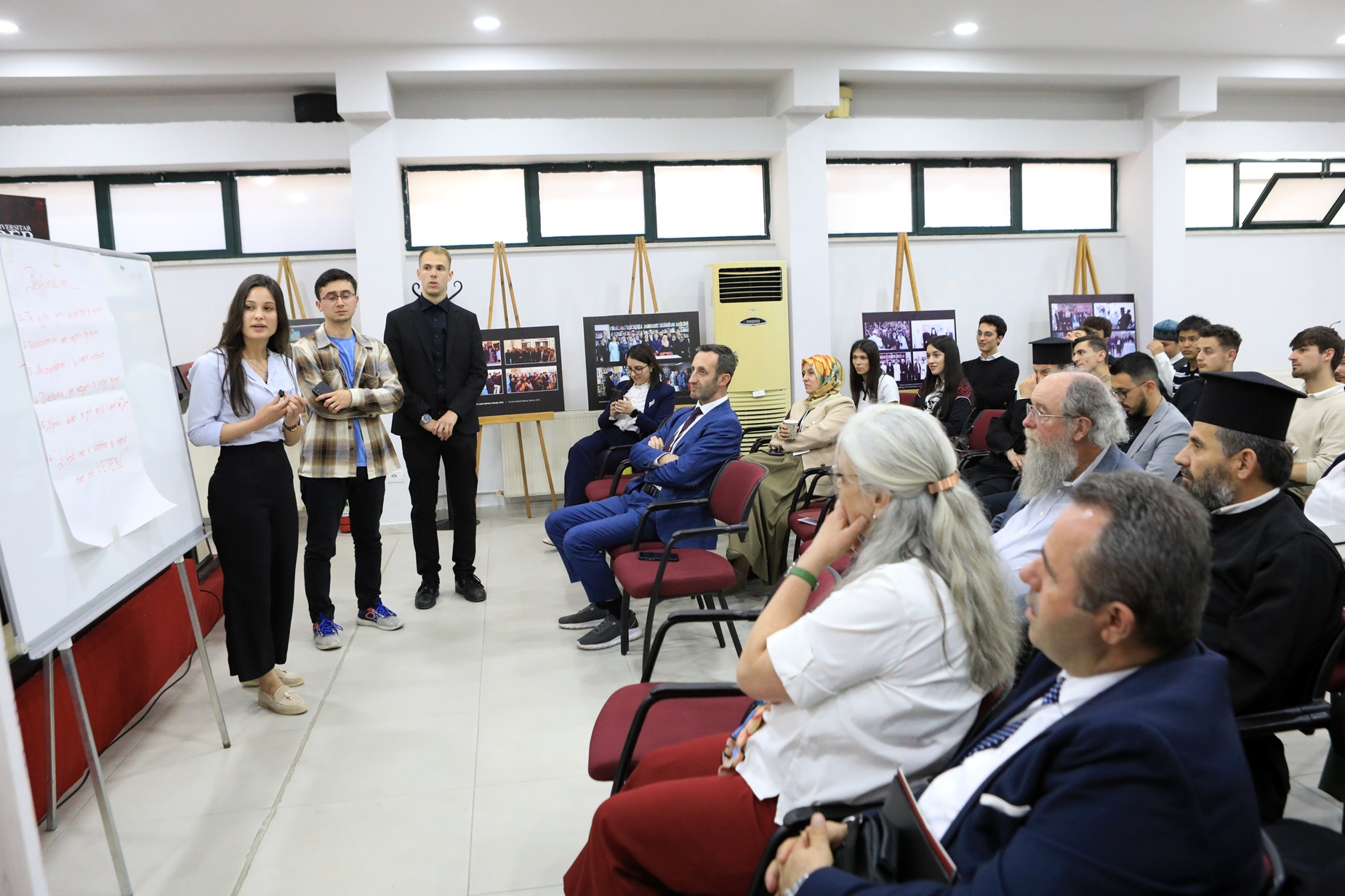
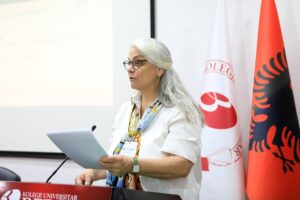 The keynote speaker of the event was Prof. Sylvia Inou Tchatchoua, who brought international perspectives on interreligious education and ecological responsibility. She then introduced an innovation in this edition through an interactive format with student workshops, where students from the three theologies collaborated in working groups and presented their ideas on the role of religion, education, and civic responsibility regarding climate issues.
The scientific session then took place, moderated by Oltion Kola, with the participation of Thoma Çomëni from Logos University College, Dom Simo Ljuljić, as well as Rudina Çinari from Bedër University College. The presentations addressed environmental protection and ecological challenges from theological and ethical perspectives.
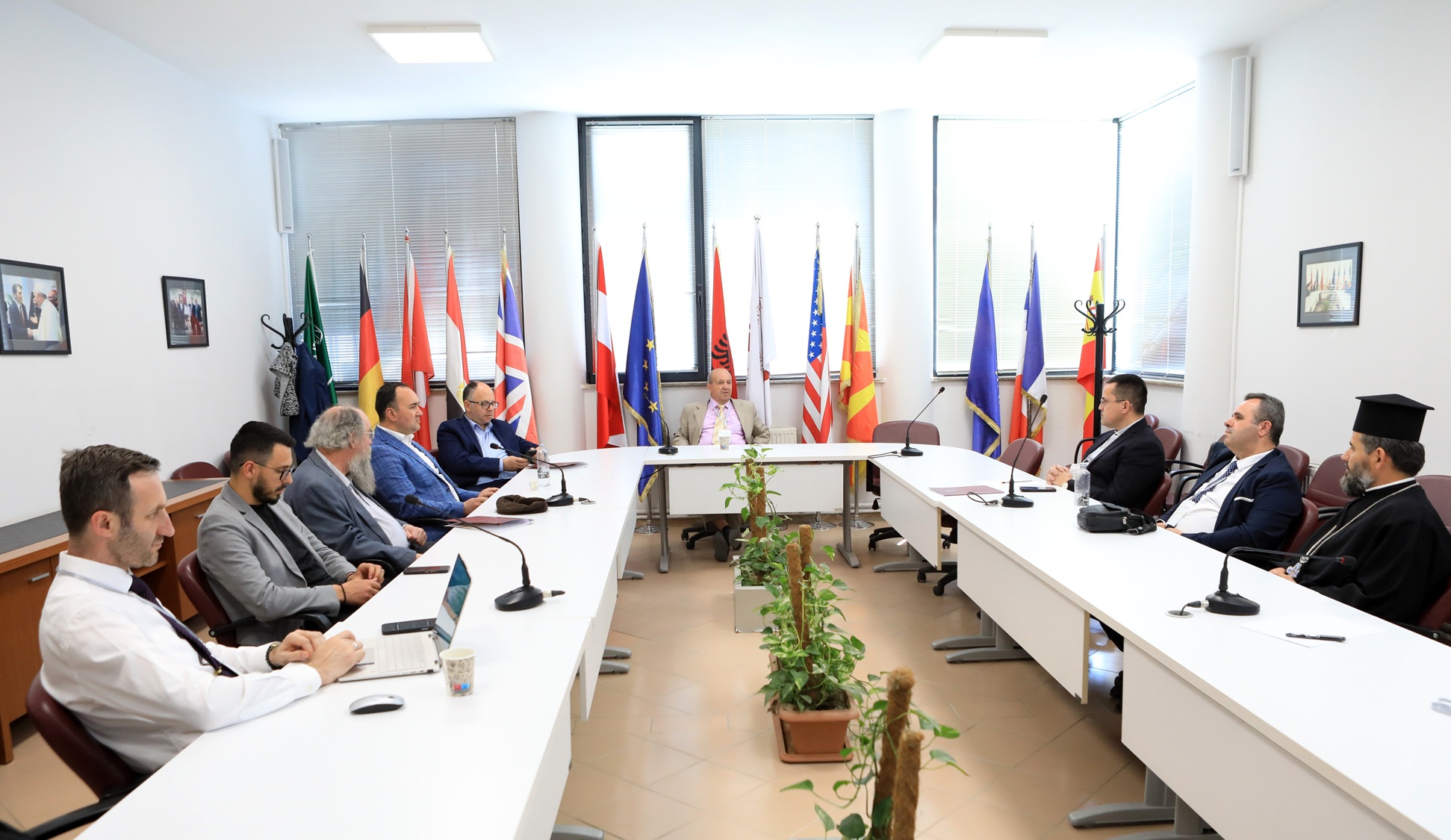 During the discussions with the academic staff, it was emphasized that this cooperation among the three institutions represents a unique Albanian model, which should be preserved, documented, and promoted internationally. New initiatives were proposed, such as joint academic publications, as well as addressing new topics such as social justice, artificial intelligence, migration, and ethical responsibility.
Within the framework of the symposium, an exhibition was also opened on interreligious cooperation among religious communities and the academic institutions established by them.
At the conclusion, participants were awarded certificates and gifts for the winners of a competition organized at the end of the symposium. They emphasized that Albanian interreligious harmony remains a national treasure that can also serve as a model for the region. It was also underlined that interreligious dialogue can contribute not only to peace among people, but also to peace with nature and to building a more sustainable future for future generations.