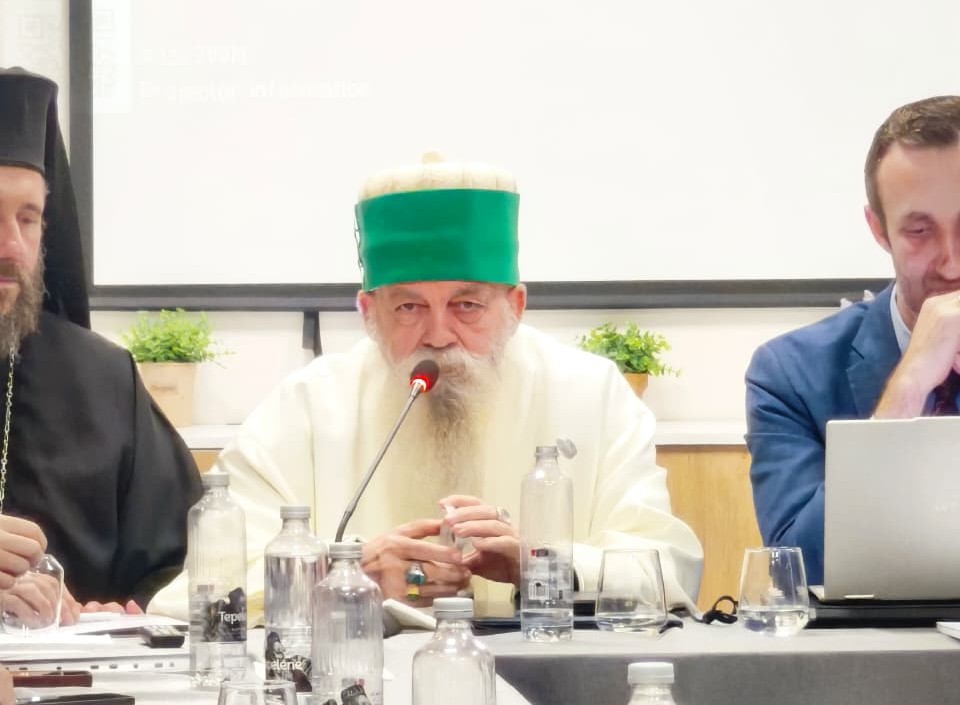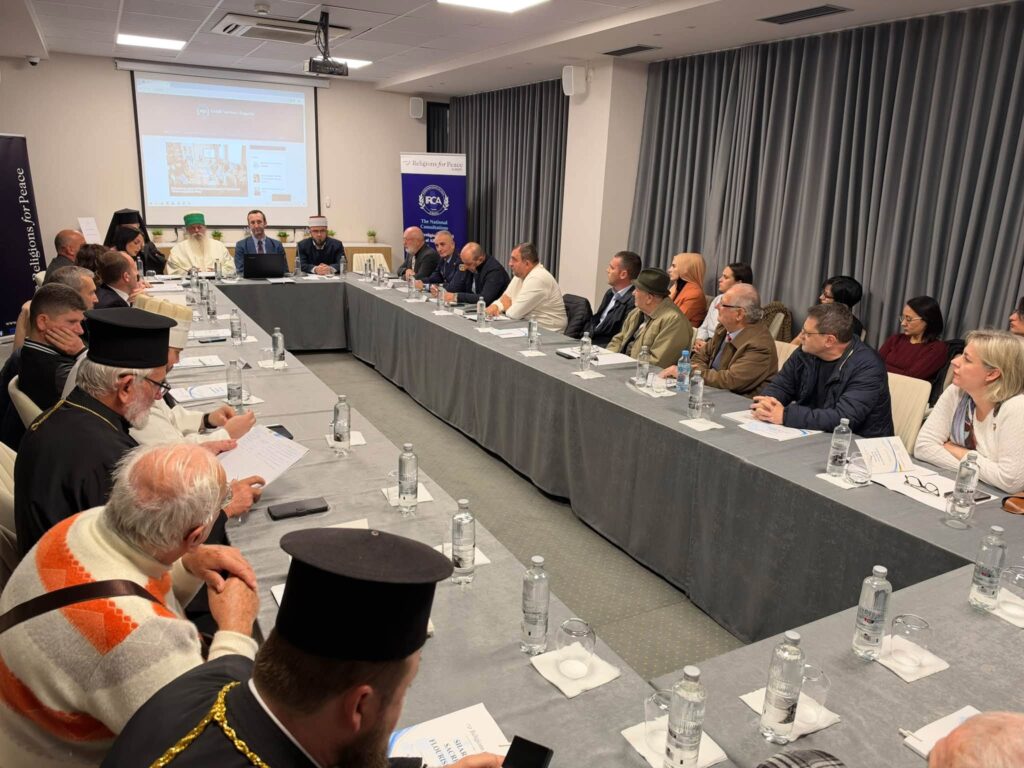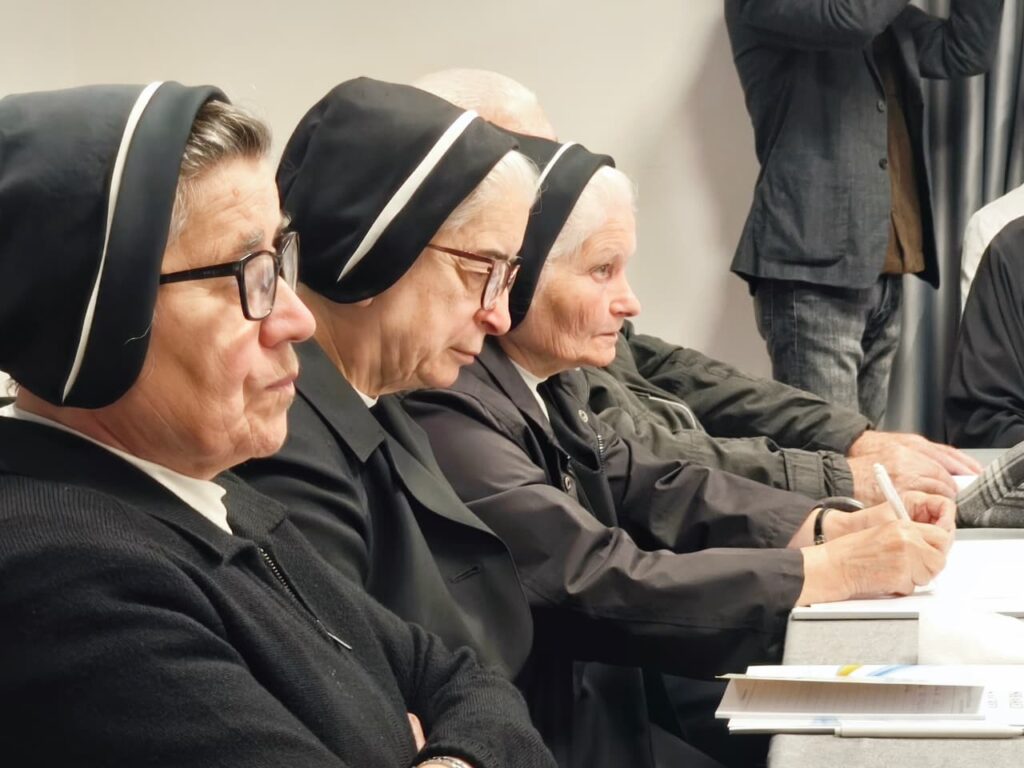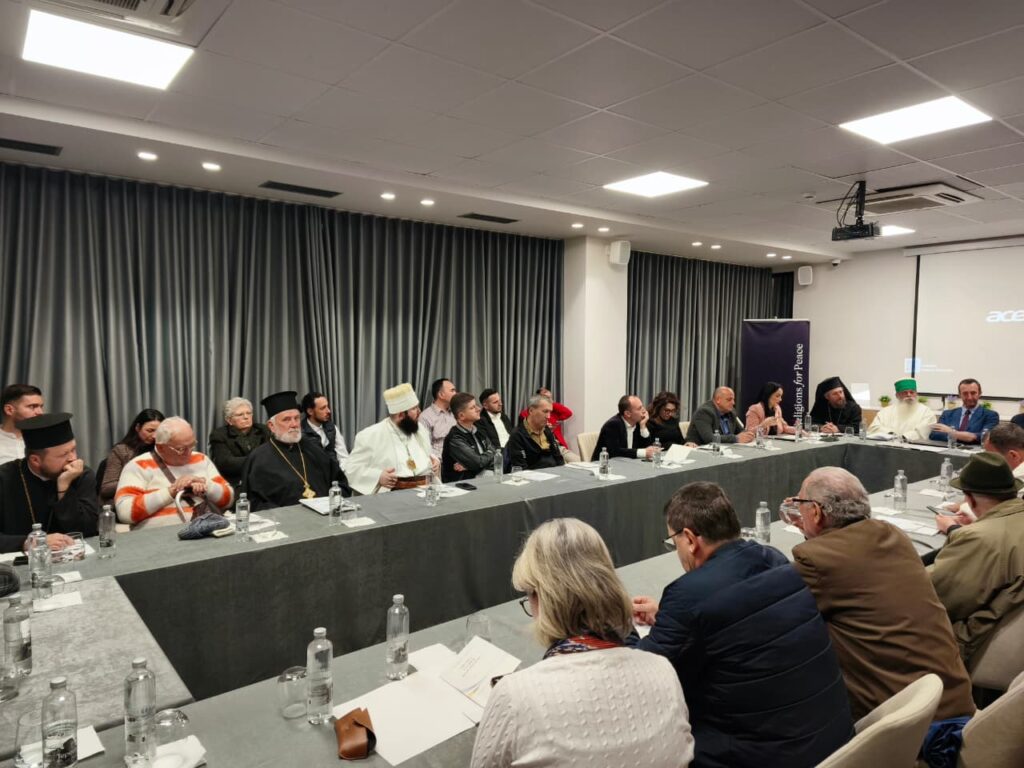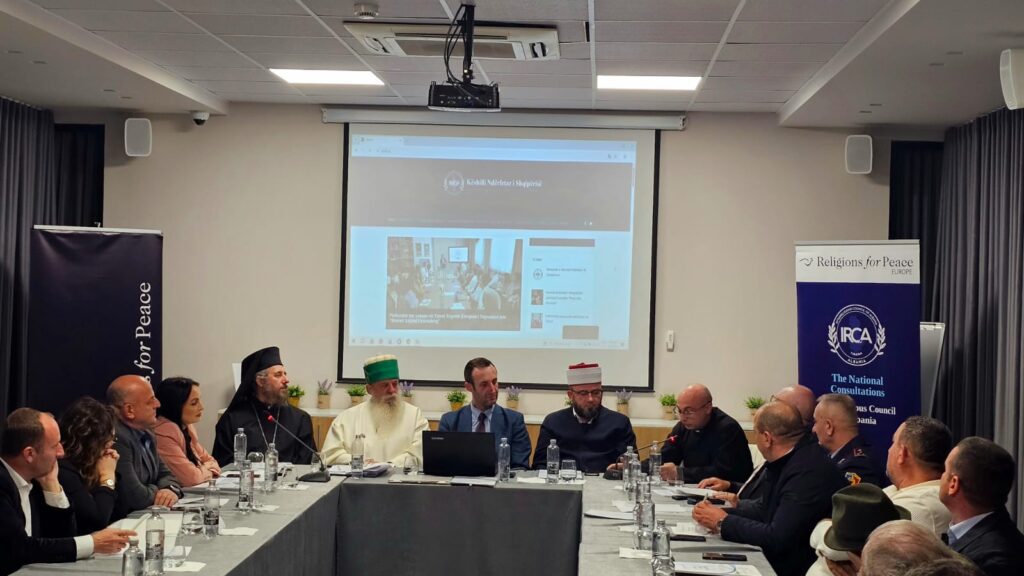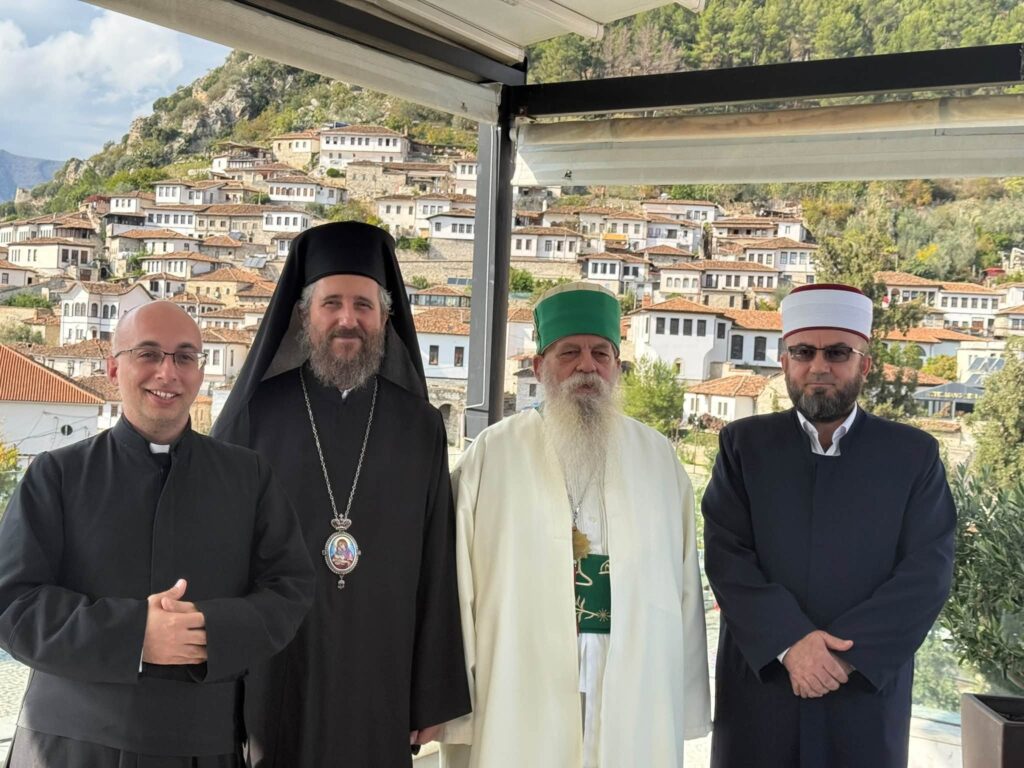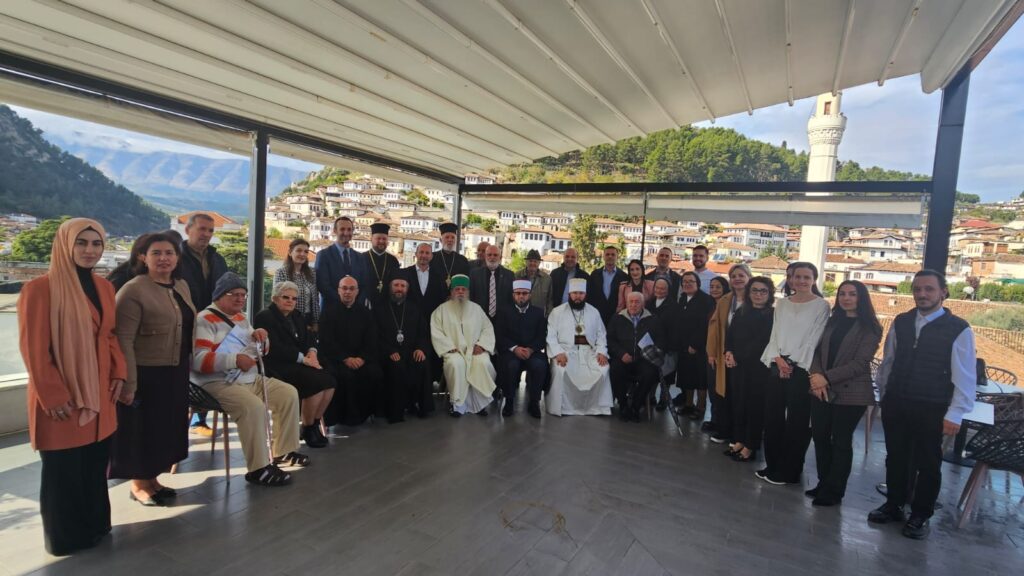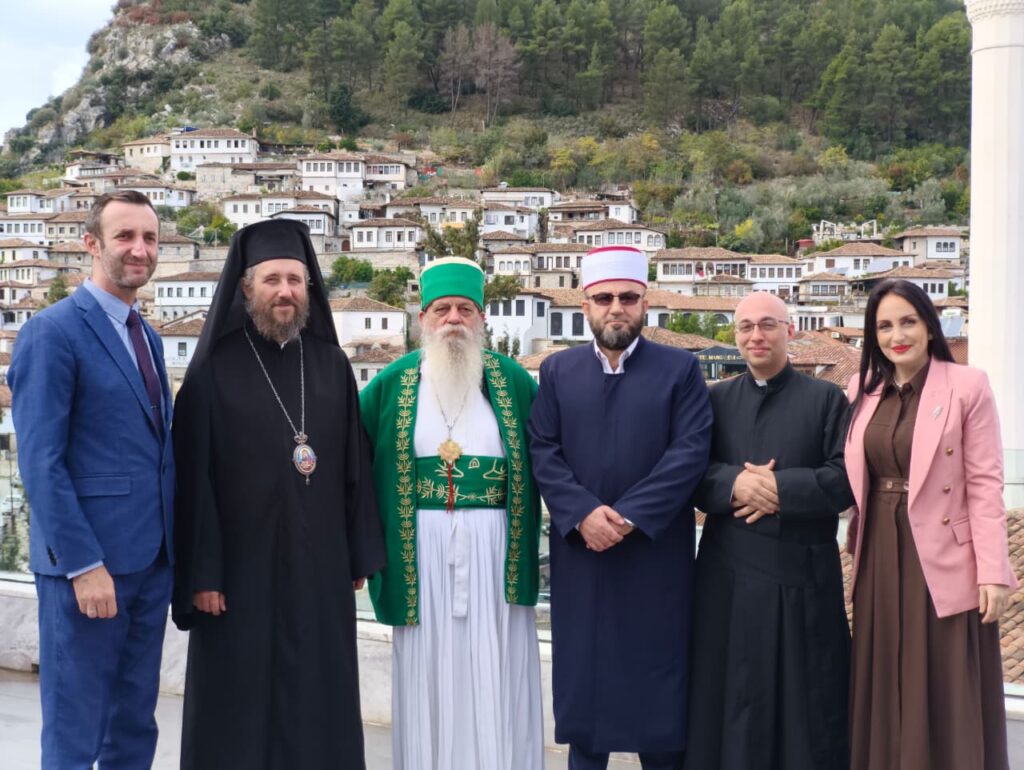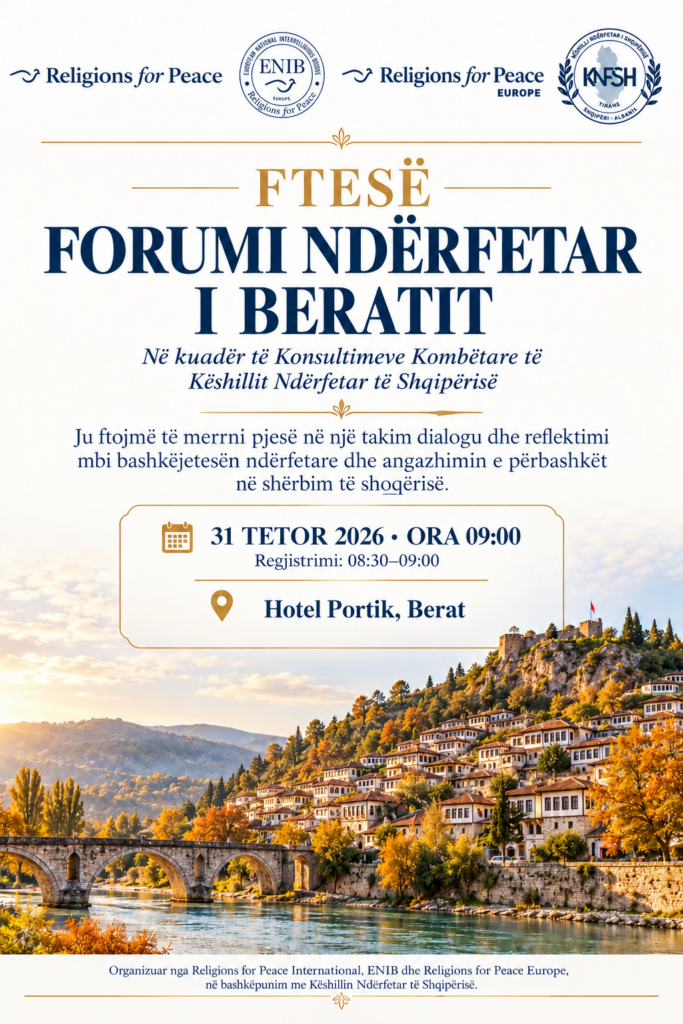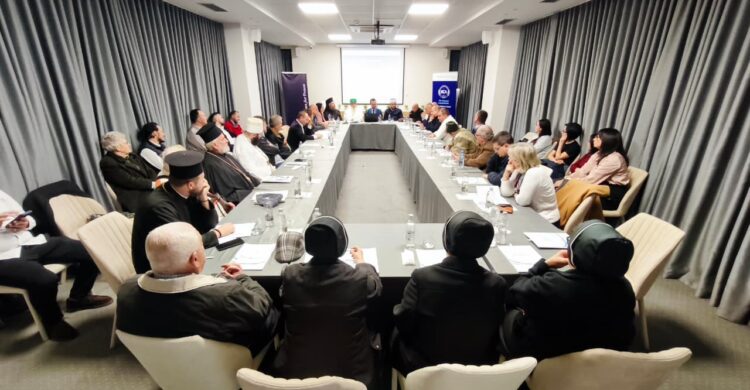
On 31 October 2026, the Interreligious Council of Albania held the Interfaith Forum in Berat as part of the National Consultations on the worldviews of religious traditions and shared spiritual flourishing. The meeting brought together leaders and representatives of religious communities, Members of Parliament, local government representatives, intellectuals, and members of IRCA’s Executive Board and Women’s and Youth Departments.
In a city where churches, mosques, tekkes and spiritual traditions form part of a shared heritage, participants discussed their responsibility to preserve religious harmony and ways to turn dialogue into practical cooperation for families, young people and society.
The Chairman of the Interreligious Council of Albania and World Grandfather of the Bektashi Order, H. Dede Baba Edmond Brahimaj, emphasised that religious traditions create spaces for mutual understanding when they convey compassion, justice, love and responsibility towards others.
“Interfaith dialogue does not ask us to be the same; it asks us to respect one another in our differences and to work together for the common good,” he said. The World Grandfather stressed that shared spiritual flourishing is linked to the dignity of every person, hope, inclusion and the opportunity to contribute to society.
Prof. Genti Kruja, Secretary General of IRCA and President of Religions for Peace Europe, presented the meeting as a continuation of the Regional Forum and Training of Trainers held in Tirana in July, with participants from seven European countries. He thanked Berat’s religious communities for their hospitality, as well as Religions for Peace International and the European Network of Interreligious Bodies for their cooperation.
He emphasised that the concept of shared flourishing connects spiritual life with human relationships, social well-being, care for nature and respect for what others hold sacred. In this context, he highlighted the need for achievable steps to support young people and families facing difficulties, counter hate speech and strengthen trust among people. He also recognised the contribution of women and young people to expanding interfaith cooperation.
The Mufti of the Berat Region, H. Bilbil Talla, praised the city’s tradition of coexistence and mutual respect among religious communities. He emphasised the shared responsibility to preserve this legacy and pass it on to younger generations through education and cooperation in service to society.
The Metropolitan of Berat, His Grace Asti, described the city’s interfaith tradition as a spirit of brotherhood that goes beyond tolerance. He stressed that every generation has a responsibility to protect and develop this heritage by getting to know and respecting others beyond stereotypes. He noted that this commitment involves every member of religious communities, while IRCA’s structures offer an example of coexistence in action.
Fr. Paolo Marasco, parish priest of Berat, offered a personal testimony and also conveyed greetings on behalf of the Apostolic Administrator of Southern Albania, Fr. Flavio Cavallini. He shared memories of his friendships with the city’s Muslim and Orthodox leaders, reciprocal visits during religious holidays, and the support that the small Catholic community has received from other communities. His experience highlighted the human face of dialogue, built through hospitality, closeness and everyday friendship.
Speakers during the forum’s discussions included the Mayor of Kuçovë, Mr. Kreshnik Hajdari; Members of Parliament Fadil Nasufi, Hatixhe Konomi and Zija Ismaili; and Kasion Hasimetaj, Chairman of the Berat Branch of the Democratic Party. Mayor Kreshnik Hajdari called for greater cooperation on the ground and expressed his willingness to organise awareness-raising meetings and discussions with religious communities, particularly for the younger generation.
The discussions also addressed strengthening the family, parental responsibility, the restitution of religious communities’ properties, and the need for closer consultation between public institutions and religious communities.
The forum called for the heritage of coexistence to be nurtured through education, human relationships and joint activities. The willingness expressed to undertake local initiatives opened up opportunities for continued cooperation in service of the community.